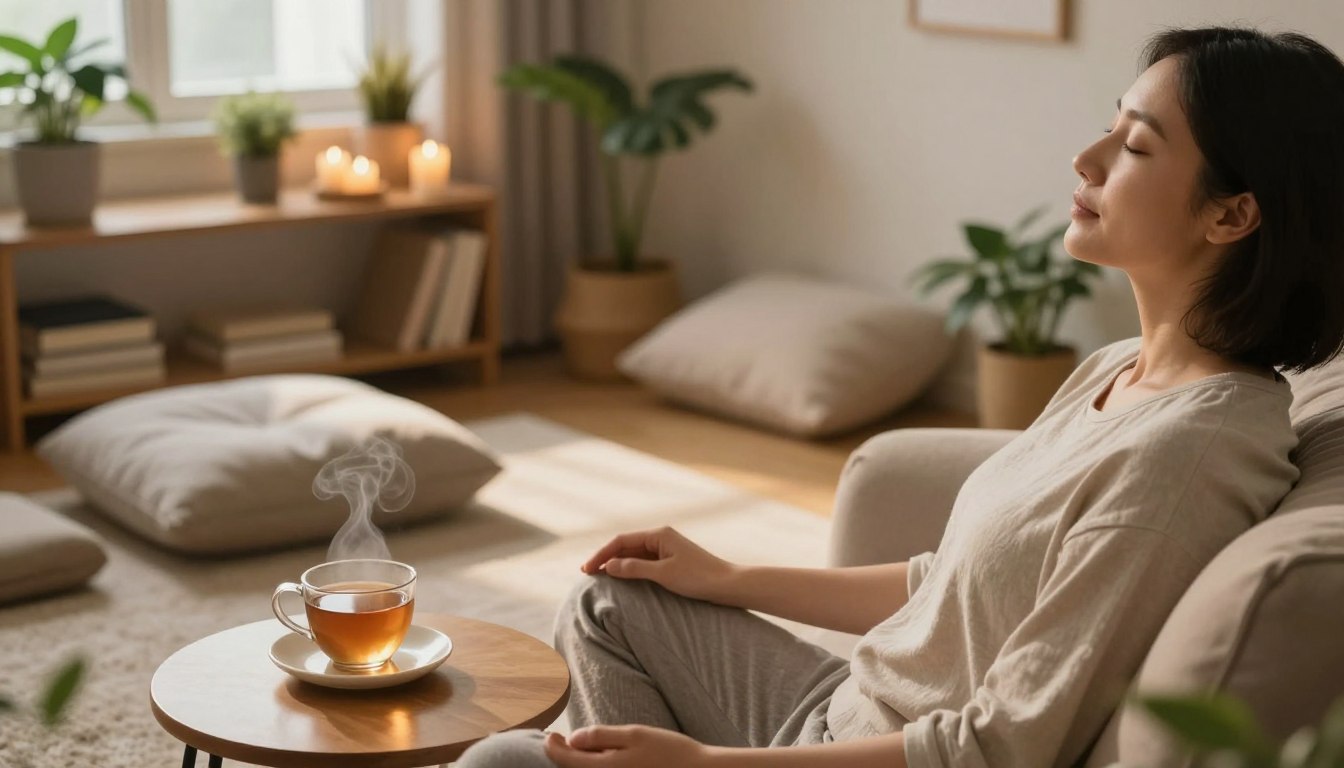
Are you tired of feeling overwhelmed by the demands of modern life? In today’s fast-paced world, it’s easy to get caught up in the hustle and bustle and forget to take care of one of the most important things: your mental well-being.
Can simple, everyday techniques really make a difference in reducing stress? The answer is yes. Micro practices, short and effective stress-relief techniques, can be seamlessly integrated into your daily routine, providing a sense of calm and focus.
By incorporating these simple yet powerful techniques, you can improve your overall well-being and tackle daily challenges with a clearer mind. This article will explore various stress relief techniques that can help you achieve a more balanced life.
Key Takeaways
- Discover simple techniques to reduce stress in daily life.
- Learn how micro practices can improve mental well-being.
- Explore effective stress relief techniques for a clearer mind.
- Understand how to integrate micro practices into your daily routine.
- Find out how these techniques can improve overall well-being.
Understanding Stress Reduction Micro Practices
In today’s fast-paced world, understanding stress reduction micro practices is crucial for maintaining mental well-being. These practices are designed to be short, simple, and effective, making them easy to incorporate into daily life.
Micro practices, including mindfulness exercises for stress reduction, are gaining popularity as a convenient way to manage stress. By dedicating just a minute or less to these practices, individuals can experience significant benefits.
What Makes a Practice “Micro”
A micro practice is characterized by its brevity and simplicity. It is a short technique that can be completed in less than a minute, making it easy to fit into a busy schedule. Examples include deep breathing exercises, quick meditation sessions, and brief stretching routines.
Why Small Actions Create Big Results
Small actions, when practiced consistently, can lead to significant stress reduction. Quick stress management tips can help individuals develop healthy habits that contribute to overall well-being. By incorporating micro practices into daily routines, people can better manage stress and improve their mental health.
Who Benefits Most from Quick Stress Management Tips
Individuals with busy lifestyles, those experiencing high levels of stress, and people new to mindfulness practices can benefit greatly from quick stress management tips. These micro practices are designed to be accessible and beneficial for everyone, regardless of their current stress levels or mindfulness experience.
Master These One-Minute Breathing Techniques
Discover how one-minute breathing techniques can transform your day by providing instant calm, mental clarity, and deep relaxation. These simple yet powerful practices can be easily incorporated into your daily routine, helping you manage stress more effectively.
The 4-7-8 Breath for Instant Calm
The 4-7-8 breathing technique, also known as the “Relaxation Breath,” is a simple and effective method for reducing stress and promoting relaxation. This technique involves breathing in through the nose, holding the breath, and exhaling through the mouth.
Step-by-Step Instructions
- Begin by sitting comfortably with your back straight.
- Close your eyes and inhale through your nose for a count of 4.
- Hold your breath for a count of 7.
- Exhale through your mouth for a count of 8.
- Repeat this cycle for one minute.
Best Times to Practice
The 4-7-8 breath is particularly effective before bed, as it can help promote a restful night’s sleep. It can also be used during breaks at work or whenever you feel stressed.

Box Breathing for Mental Clarity
Box breathing, also known as “square breathing,” is a technique used by athletes and military personnel to enhance focus and mental clarity. It involves breathing in for a count of 4, holding for 4, exhaling for 4, and holding again for 4.
How to Perform Box Breathing
- Inhale for a count of 4, filling your lungs completely.
- Hold your breath for a count of 4.
- Exhale for a count of 4, emptying your lungs completely.
- Hold your breath again for a count of 4.
When to Use This Method
Box breathing is ideal for situations requiring focus and mental clarity, such as before a presentation or during a stressful work period.
Belly Breathing for Deep Relaxation
Belly breathing, or diaphragmatic breathing, engages your diaphragm, promoting deep relaxation and reducing stress. This technique is beneficial for overall well-being.
Quick Implementation Guide
To practice belly breathing, place one hand on your belly and the other on your chest. Inhale deeply through your nose, allowing your belly to rise while your chest remains still. Exhale slowly through your mouth, feeling your belly fall. Repeat for one minute.
| Breathing Technique | Primary Benefit | Best Time to Practice |
|---|---|---|
| 4-7-8 Breath | Instant Calm | Before Bed |
| Box Breathing | Mental Clarity | Before a Presentation |
| Belly Breathing | Deep Relaxation | Anytime, Especially During Stress |
Try These Mindfulness Exercises for Stress Reduction
Mindfulness exercises offer a powerful tool for managing stress and anxiety. By incorporating these practices into your daily routine, you can cultivate a greater sense of calm and well-being.

The 5-4-3-2-1 Grounding Technique
The 5-4-3-2-1 grounding technique is a simple yet effective method for reducing stress and anxiety. This exercise helps you focus on the present moment by engaging your senses.
Step-by-Step Practice
To practice the 5-4-3-2-1 technique, follow these steps:
- Notice 5 things you can see around you.
- Acknowledge 4 things you can touch or feel.
- Identify 3 things you can hear.
- Recognize 2 things you can smell.
- Take 1 deep breath, focusing on the sensation.
Using This During Anxious Moments
During moments of anxiety, this technique can help calm your mind and body. By focusing on your surroundings, you can shift your attention away from anxious thoughts.
Two-Minute Body Scan
A two-minute body scan is another effective mindfulness exercise for reducing stress. This practice involves paying attention to sensations in your body.
How to Scan Your Body Quickly
To perform a quick body scan, lie down or sit comfortably, and bring your attention to different parts of your body, starting from your toes and moving up to your head. Notice any areas of tension or discomfort.
Mindful Observation Exercise
The mindful observation exercise encourages you to cultivate awareness in daily activities. Choose an object, such as a flower or a leaf, and observe it closely, noticing its texture, color, and shape.
Practicing Awareness in Daily Activities
You can practice mindful observation during daily tasks like eating or walking. Pay attention to the sensations, sights, and sounds around you, savoring the experience.
The Single-Task Focus Method
In today’s fast-paced world, multitasking is common, but it can contribute to increased stress levels. The single-task focus method involves dedicating your attention to one task at a time.
By focusing on a single task, you can improve your concentration and reduce feelings of overwhelm. Start with small tasks, like drinking a cup of tea mindfully, and gradually apply this approach to more significant tasks.
Implement Physical Stress Reduction Activities
Simple physical exercises can be a powerful tool in managing stress and anxiety. By incorporating these activities into your daily routine, you can reduce tension, improve your mood, and enhance overall well-being.
Progressive Muscle Relaxation Shortcuts
Progressive muscle relaxation is a technique that involves tensing and relaxing different muscle groups to release physical tension. This method can be adapted into quick and effective shortcuts for stress relief.
Shoulder and Neck Tension Release
To release tension in your shoulders and neck, try the following exercise: slowly tilt your head to the right, bringing your ear towards your shoulder. Hold for a few seconds, then release. Repeat on the left side. This simple action can help alleviate strain and promote relaxation.
Hand and Jaw Relaxation Technique
Clench your fists tightly for a few seconds, then release. Repeat this process several times to release tension in your hands. Additionally, relax your jaw by opening your mouth wide, then closing it slowly. This can help reduce overall facial tension.
Quick Desk Stretches for Stress Relief
Desk stretches are an excellent way to reduce stress and improve posture while working. These stretches can be done discreetly and quickly, making them ideal for busy workdays.
Seated Spinal Twist
Sit up straight and twist your torso to the right, keeping your feet on the floor. Hold for a few seconds, then twist to the left. This stretch can help alleviate tension in your back and improve flexibility.
Wrist and Upper Body Stretches
Extend your arms in front of you and rotate your wrists in a circular motion. This can help reduce strain from typing or other repetitive tasks. You can also stretch your upper body by interlocking your fingers and stretching your arms overhead.

Micro Walking Breaks
Taking short walking breaks can be an effective way to reduce stress and boost energy levels. Even a brief walk can make a significant difference in how you feel.
How to Turn Any Walk into Stress Relief
To maximize the stress-relieving benefits of walking, focus on your surroundings. Pay attention to the sights, sounds, and smells around you. This mindfulness can help distract you from stressful thoughts and improve your mood.
| Activity | Duration | Benefits |
|---|---|---|
| Progressive Muscle Relaxation | 5-10 minutes | Reduces physical tension, promotes relaxation |
| Desk Stretches | 2-5 minutes | Improves posture, reduces strain |
| Micro Walking Breaks | 5-10 minutes | Boosts energy, reduces stress |
By incorporating these physical stress reduction activities into your daily routine, you can develop effective stress relief techniques and quick stress management tips to manage stress and improve your overall well-being.
Create Your Personal Daily Stress Reduction Practice
Creating a personalized daily routine is key to managing stress effectively. By incorporating micro practices into your daily schedule, you can significantly reduce your stress levels and improve your overall well-being.
Morning Micro Practices to Set Your Tone
Starting your day with a stress-reducing routine can set a positive tone for the rest of the day. Consider beginning with a one-minute breathing exercise or a short meditation session.
Some effective morning micro practices include:
- A 5-minute journaling session to clear your mind
- A short 4-7-8 breathing exercise to calm your nervous system
- A 2-minute stretching routine to loosen up your muscles
Workday Stress Relief Techniques
The workday can be a significant source of stress. Implementing stress relief techniques during your workday can help you stay focused and productive.
| Technique | Duration | Benefit |
|---|---|---|
| Deep Breathing | 1 minute | Reduces anxiety |
| Desk Stretch | 2 minutes | Relieves muscle tension |
| Short Walk | 5 minutes | Boosts energy and focus |
Evening Wind-Down Rituals
Winding down in the evening is crucial for a good night’s sleep. Engage in activities that help you relax and unwind.
Some effective evening wind-down rituals include:
- Reading a book for 15-20 minutes before bed
- Practicing gentle stretches or yoga
- Listening to calming music or nature sounds

Setting Up Triggers and Reminders
To ensure consistency in your daily stress reduction practice, set up triggers and reminders throughout the day.
Use your phone or a planner to schedule reminders for your micro practices. You can also tie your stress reduction activities to daily routines, such as right after waking up or before meals.
Tracking Your Progress
Monitoring your progress is essential to understanding the effectiveness of your stress reduction practices. Keep a journal or use a stress tracking app to log your activities and how you feel.
By tracking your progress, you can identify which practices work best for you and make adjustments as needed.
Conclusion
By incorporating stress reduction techniques into daily life, busy individuals can experience a significant improvement in their overall well-being. The micro practices discussed in this article offer a simple yet effective way to achieve calm and focus.
From one-minute breathing techniques to physical activities, there’s a micro practice that can help alleviate stress. By implementing these practices into your daily routine, you can take the first step towards a less stressful, more balanced life. Stress reduction techniques for busy individuals are not just a luxury, but a necessity in today’s fast-paced world.
By making these micro practices a habit, you can improve your mental clarity, boost your mood, and enhance your overall quality of life. Start your journey to a stress-free life today by incorporating these simple yet effective stress reduction techniques into your daily routine.