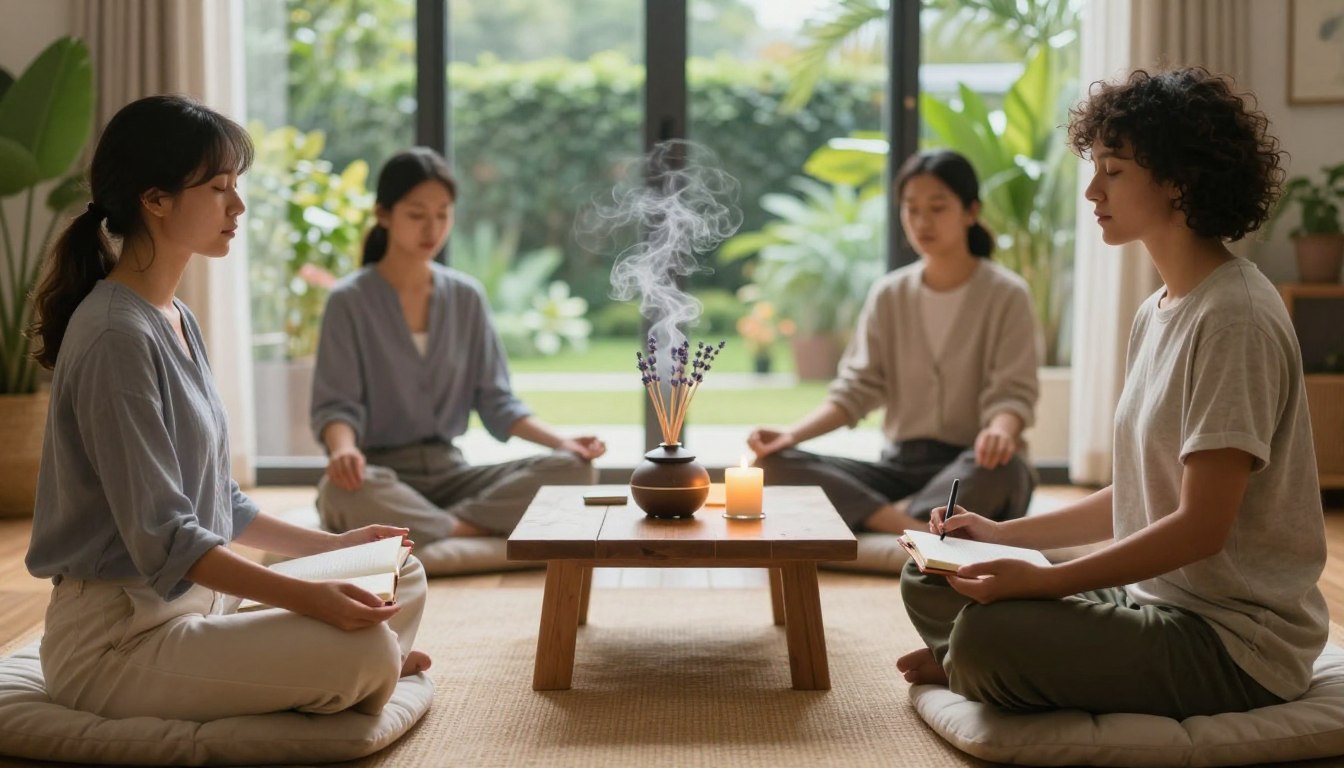
Are you feeling overwhelmed and struggling to find balance in your life? In today’s fast-paced world, it’s easy to get caught up in the hustle and bustle, leaving our emotional well-being by the wayside.
Discover the power of emotional reset rituals and learn how to incorporate simple yet effective strategies into your daily routine to enhance your mental health and overall sense of well-being.
This article will guide you through various mental reset activities and provide you with practical tips on how to make them a part of your life, leading to a more balanced and fulfilling existence.
Key Takeaways
- Understand the importance of emotional reset rituals for your well-being.
- Learn simple strategies to enhance your emotional well-being.
- Discover mental reset activities to reduce stress and anxiety.
- Find practical tips on incorporating these rituals into your daily life.
- Improve your overall mental health with effective emotional wellbeing strategies.
What Emotional Resets Are and Why They Matter for Your Mental Health
The concept of emotional resets offers a powerful tool for individuals seeking to improve their mental well-being and resilience. Emotional resets refer to the intentional practices and rituals that help individuals manage stress, regain emotional balance, and enhance their overall mental health.
Emotional overwhelm can have a significant impact on one’s mental health. When we’re overwhelmed, our body’s stress response is triggered, leading to a cascade of physiological and emotional reactions. Chronic stress can result in anxiety, depression, and a weakened immune system. Understanding the impact of emotional overwhelm is crucial for recognizing the need for emotional resets.
Understanding the Impact of Emotional Overwhelm
Emotional overwhelm occurs when an individual experiences a buildup of stressors, leading to feelings of being overwhelmed, anxious, or disconnected. This state can be triggered by various factors, including work-related stress, personal relationships, or significant life changes.
- Physical symptoms such as headaches, fatigue, or gastrointestinal issues
- Emotional symptoms like irritability, mood swings, or feelings of hopelessness
- Cognitive symptoms including difficulty concentrating or making decisions
Recognizing these signs is the first step towards taking action and implementing emotional reset rituals.
How Reset Rituals Rewire Your Stress Response
Reset rituals have the potential to rewire the brain’s stress response by activating the parasympathetic nervous system, which promotes relaxation and calmness. Regular practice of these rituals can lead to long-term changes in the brain, enhancing resilience to stress.
“The practice of mindfulness and meditation can alter the brain’s structure and function, leading to improved emotional regulation.” – As noted by experts in the field of mental health, such practices are invaluable for maintaining emotional balance.
Recognizing When You Need an Emotional Reset
Knowing when to implement an emotional reset is crucial. Signs that you may need an emotional reset include:
- Feeling consistently overwhelmed or stressed
- Experiencing emotional reactivity or mood swings
- Having difficulty sleeping or concentrating
By acknowledging these signs and incorporating emotional reset rituals into your daily routine, you can better manage stress and maintain emotional balance.
Implementing emotional reset rituals can be a game-changer for mental health. By understanding the impact of emotional overwhelm and recognizing the signs that indicate the need for a reset, individuals can take proactive steps towards maintaining their emotional well-being.
Start Your Day Right With Morning Emotional Reset Practices
Boost your mental health with simple yet effective morning rituals designed to reset your emotions. Incorporating these practices into your daily routine can lead to a more balanced and positive you.
The Power Hour: Three Morning Practices Combined
The concept of “The Power Hour” involves dedicating the first hour of your day to practices that set a positive tone. This can include a combination of mindfulness exercises, self-care practices, and relaxation rituals.
Mindful Breathing Upon Waking
Mindful breathing is a powerful relaxation ritual that can help calm your mind and regulate your emotions. To practice, simply focus on your breath, noticing the sensation of the air entering and leaving your nostrils. Try to let go of any thoughts or distractions.
Gratitude Listing for Positive Focus
Listing things you’re grateful for can shift your focus to the positive aspects of your life. Take a few minutes each morning to write down three things you’re thankful for. This self-care practice can help cultivate a more optimistic mindset.
Setting Daily Emotional Intentions
Setting daily emotional intentions involves defining how you want to feel throughout the day. This mindfulness exercise can help you stay focused on your emotional well-being. For example, you might intend to feel calm, confident, or compassionate.
Morning Stretching and Movement for Energy Flow
Incorporating physical movement into your morning routine can enhance energy flow and boost your mood. Simple stretching exercises or a short yoga routine can be an effective way to start your day.
| Morning Practice | Benefits |
|---|---|
| Mindful Breathing | Reduces stress, improves focus |
| Gratitude Listing | Cultivates positivity, enhances well-being |
| Setting Emotional Intentions | Improves emotional regulation, boosts confidence |
| Morning Stretching | Enhances energy flow, improves flexibility |
By incorporating these morning emotional reset practices into your daily routine, you can create a more positive and resilient you. Start with small steps and be consistent to experience the benefits.
Quick Emotional Reset Rituals You Can Do Anywhere
Whether you’re at work, home, or on the go, having simple yet effective emotional reset techniques is crucial. Life can be unpredictable, and stress can arise at any moment. Fortunately, there are several quick emotional reset rituals that can help you regain your composure and continue with your day.
The 4-7-8 Breathing Method for Instant Calm
The 4-7-8 breathing technique, also known as the “Relaxation Breath,” is a powerful tool for calming the mind and body. This method involves a specific pattern of breathing that can help slow down your heart rate and promote relaxation.
Step-by-Step Breathing Instructions
To practice the 4-7-8 breathing method, follow these steps:
- Find a comfortable seated position with your back straight.
- Close your eyes and inhale through your nose for a count of 4.
- Hold your breath for a count of 7.
- Exhale through your mouth for a count of 8.
This cycle can be repeated up to three times. The key is to focus on the counting and the sensation of the breath moving in and out of the body.
Best Situations for This Technique
The 4-7-8 breathing method is particularly useful in situations where you feel anxious or stressed. It can be practiced anywhere, at any time, making it a versatile tool for emotional resets. Try it during your morning routine, before a big meeting, or when you’re feeling overwhelmed.

The Five Senses Grounding Exercise
Another effective technique for emotional reset is the five senses grounding exercise. This practice involves focusing on your surroundings through each of your senses to ground yourself in the present moment.
To start, take a deep breath and look around you. Notice:
- Five things you can see in your immediate environment.
- Four things you can touch or feel, such as your feet on the ground.
- Three things you can hear, like the hum of a machine or birds outside.
- Two things you can smell, such as a nearby flower or fresh air.
- One thing you can taste, like a piece of gum or the freshness of your mouth.
This exercise helps shift your focus away from stressful thoughts and back to the present.
Cold Water Face Splash for Rapid Reset
Splashing your face with cold water can be a quick and invigorating way to reset your emotional state. The sudden change in temperature can help stimulate your body’s natural response to stress, often referred to as the “diving reflex.”
To use this technique, simply cup your hands, fill them with cold water, and splash it onto your face. Take a deep breath and notice how you feel afterward. This method is particularly effective when you need a rapid reset.
The Power of Strategic Breaks
Taking strategic breaks throughout the day can be a simple yet effective way to reset emotionally. Stepping away from your tasks or environment for a short period can help you recharge and come back to your work with renewed focus.
Consider taking a short walk, practicing a few deep breathing exercises, or simply stepping outside for some fresh air. These breaks can help prevent burnout and maintain your emotional well-being.
Physical Movement Rituals for Releasing Stored Emotions
When it comes to emotional release, the body often holds the key, and physical movement rituals can unlock this potential. Our bodies store emotional experiences, and through specific movements, we can release pent-up tension and emotions, leading to a more balanced state of being.
Shaking Practice to Release Tension
The shaking practice is a simple yet powerful technique for releasing stored tension. By allowing the body to shake freely, we can release deep-seated emotions and relax the muscular system.
How to Perform the Shaking Ritual
To begin the shaking practice, stand with your feet shoulder-width apart and slightly bend your knees. Start shaking your body, beginning with your arms and gradually involving your entire body. Allow the shaking to happen naturally; don’t force it. As you shake, focus on releasing any tension or emotions you’re holding onto.
Duration and Frequency Guidelines
Start with short sessions of 5-10 minutes and gradually increase the duration as you become more comfortable with the practice. You can perform this ritual daily or as needed, especially during times of high stress or emotional overwhelm.
Intuitive Dance for Emotional Expression
Intuitive dance is another effective way to release stored emotions through physical movement. By allowing yourself to move freely to music that resonates with your current emotional state, you can express and release emotions in a healthy way.

Outdoor Walking for Mental Clarity and Mood Boost
Outdoor walking is a simple yet effective ritual for improving mental clarity and boosting mood. Being in nature while walking can enhance the benefits of this practice, allowing you to connect with your surroundings and clear your mind.
To incorporate outdoor walking into your routine, start by dedicating at least 20-30 minutes per session, ideally in a natural setting such as a park or forest. Pay attention to your surroundings, noticing the sights, sounds, and smells around you. This mindfulness can help ground you in the present moment and improve your mental state.
Mindfulness and Breathing Techniques for Deeper Emotional Healing
Deeper emotional healing can be achieved through the consistent practice of mindfulness and breathing techniques. These practices help individuals develop a greater awareness of their emotional states and foster a more compassionate relationship with themselves.

Body Scan Meditation for Emotional Awareness
Body scan meditation is a powerful technique for cultivating emotional awareness. By systematically focusing on different parts of the body, individuals can release stored tension and gain insight into their emotional experiences.
Full Body Scan Instructions
To practice a full body scan, start by finding a comfortable position, either lying down or sitting. Close your eyes and take a few deep breaths. Begin at the crown of your head, bringing awareness to this area. Gradually work your way down to your toes, paying attention to any sensations, feelings, or thoughts without judgment.
- Take slow, deep breaths to enhance relaxation.
- Notice areas of tension and allow them to release.
- Practice non-judgmental awareness of your bodily sensations.
Loving-Kindness Practice for Self-Compassion
Loving-kindness meditation fosters self-compassion and emotional healing by cultivating a sense of kindness towards oneself and others. This practice can help counteract negative self-talk and promote a more positive emotional state.
To practice loving-kindness, begin by directing kind thoughts towards yourself, such as “May I be happy, may I be healthy, may I be at peace.” Gradually extend these wishes to others, including friends, acquaintances, and even those you may have difficulty with.
Box Breathing for Nervous System Regulation
Box breathing is a simple yet effective technique for regulating the nervous system. It involves breathing in for a count of four, holding the breath for a count of four, exhaling for a count of four, and holding the exhale for a count of four.
| Step | Action | Count |
|---|---|---|
| 1 | Breathe in | 4 |
| 2 | Hold breath | 4 |
| 3 | Exhale | 4 |
| 4 | Hold exhale | 4 |
Guided Visualization for Emotional Release
Guided visualization involves using imagery to create a mental state that promotes emotional release and healing. By visualizing a peaceful, safe environment, individuals can access deeper states of relaxation and release stored emotions.
To practice guided visualization, find a quiet, comfortable space and close your eyes. Listen to a guided recording or use your imagination to create a vivid mental image of a safe, relaxing environment. Allow yourself to fully immerse in this visualization, letting go of any tension or negative emotions.
Evening Rituals to Process Your Day and Prepare for Rest
The evening hours offer a unique opportunity to slow down, reflect, and prepare for a restful night’s sleep through intentional rituals. By incorporating specific practices into your evening routine, you can effectively process the day’s events, release any pent-up emotions, and signal to your body that it’s time to rest.
Emotional Journaling for Daily Processing
Emotional journaling is a powerful tool for processing your daily experiences and emotions. By putting your thoughts and feelings into words, you can gain clarity on your experiences and release any emotional tension. This practice can be particularly helpful in identifying patterns and triggers, allowing you to better navigate future challenges.
Powerful Journaling Prompts to Use
To get the most out of your journaling practice, consider using specific prompts to guide your reflection. Some examples include:
- What were the most significant events of the day, and how did they make me feel?
- What am I grateful for today?
- What challenges did I face, and how did I overcome them?
- What are my intentions for tomorrow?

Progressive Muscle Relaxation Before Bed
Progressive muscle relaxation is a technique that involves systematically tensing and relaxing different muscle groups to release physical tension and promote relaxation. By practicing this technique before bed, you can help calm your nervous system and prepare your body for restful sleep.
Muscle Group Sequence
To practice progressive muscle relaxation, start by tensing and then relaxing the following muscle groups in sequence:
- Toes
- Feet and ankles
- Calves
- Knees
- Thighs
- Hips
- Lower back
- Upper back
- Shoulders
- Arms
- Hands
- Neck and head
Creating a Technology-Free Wind-Down Hour
In today’s digital age, it’s easy to get caught up in the glow of screens before bed, but this can significantly disrupt your sleep. By creating a technology-free wind-down hour before bed, you can help signal to your body that it’s time to sleep and improve the quality of your rest.
During this hour, consider engaging in relaxing activities such as reading, listening to calming music, or practicing gentle stretches. By avoiding screens and focusing on calming practices, you can create a peaceful environment that promotes restful sleep and supports your overall well-being.
Design Your Personal Emotional Reset Routine That Actually Works
The first step in leveraging emotional reset rituals is to create a routine that resonates with your personal emotional patterns. This involves understanding your emotional triggers and responses, and then tailoring your rituals to address these specific needs.
Assess Your Unique Emotional Patterns and Triggers
To create an effective emotional reset routine, you need to start by understanding your emotional landscape. This involves identifying your emotional triggers and recognizing the patterns of your emotional responses.
Key steps in this assessment include:
- Keeping an emotional journal to track your feelings and triggers
- Reflecting on past experiences to identify common themes
- Noticing physical sensations associated with different emotions
As the renowned psychologist, Dan Siegel, once said,
“The mind is like the ocean, and just as the ocean has its waves, the mind has its thoughts and feelings.”
Understanding these “waves” is crucial to designing your emotional reset routine.
Match Specific Rituals to Different Emotional States
Different emotional states require different reset rituals. For instance, if you’re feeling anxious, a calming ritual like the 4-7-8 breathing method might be effective. On the other hand, if you’re feeling numb or disconnected, a more energizing ritual like shaking or intuitive dance could be more appropriate.
| Emotional State | Recommended Ritual |
|---|---|
| Anxiety | 4-7-8 Breathing |
| Numbness | Shaking or Intuitive Dance |
| Stress | Progressive Muscle Relaxation |
Build Sustainable Habits With the Two-Minute Rule
Building a new habit can be challenging, but the two-minute rule makes it easier. This rule states that any activity can become a habit if it can be done in less than two minutes. For emotional reset rituals, this might mean starting with a simplified version of your chosen ritual that can be completed within two minutes.
For example, if you want to start a journaling practice, your initial “two-minute rule” version might involve writing just one sentence about your current emotional state.
Track Your Progress and Adjust Your Practices
Tracking your progress is essential to refining your emotional reset routine. This can involve keeping a log of when you practice your rituals, how you feel before and after, and any changes you notice over time.
By regularly reviewing this information, you can identify which rituals are most effective for you and make adjustments as needed. Remember, the goal is to create a routine that is not only effective but also sustainable in the long term.
Conclusion
Emotional reset rituals offer a powerful way to restore your well-being and promote emotional balance. By incorporating practices like relaxation rituals and mindfulness exercises into your daily routine, you can better manage stress and improve your overall mental health.
Start with small steps, such as beginning your day with morning stretching or practicing the 4-7-8 breathing method. As you become more comfortable with these emotional balance practices, you can explore other techniques like intuitive dance or guided visualization to deepen your emotional healing.
Remember, the key to making these rituals effective is consistency. By committing to a regular practice, you can develop greater emotional resilience and improve your ability to navigate life’s challenges. So, take the first step today and start cultivating a more balanced, harmonious you.